What Are Ghost Jobs?
The emergence of the "Ghost Job Economy" represents one of the most significant yet underappreciated challenges confronting American workers and policymakers. Nearly one in three job postings—approximately 30% of all vacancies—never result in an actual hire. This phantom gap has held steady at 28-38% monthly since 2021, fundamentally distorting perceptions of labor market health.
Historical Evolution
Understanding how we arrived at this crisis requires examining the dramatic shift in labor market dynamics since 2021.
Job openings and hiring moved in tandem with remarkable consistency. Growth from 2M to 7M positions annually, with the gap between openings and hires rarely exceeding 10%. The labor market operated with relative transparency and efficiency.
Both job openings and hiring collapsed simultaneously, maintaining the traditional ratio. While disruptive, the balanced decline initially preserved labor market equilibrium.
Job postings surged to above 11 million while hiring remained flat at 6-7 million. As many as 38% of all postings failed to result in hires. Employer behavior fundamentally changed in ways that would permanently alter the relationship between job advertisements and actual employment outcomes.
Even as economic conditions cooled, the "ghost job rate" remained stubbornly elevated at 28-32% monthly. This persistent gap suggests structural changes in how businesses approach recruitment, talent management, and workforce planning.
Job Openings vs. Actual Hires (2010-2025)

Sectoral Impact: The Unequal Crisis
The problem of unfilled positions is not distributed uniformly across the American economy. Certain industries experience dramatically higher rates of ghost job postings.
| Industry Sector | Ghost Job Rate | Primary Cause |
|---|---|---|
| Government | 60% | Budget constraints, hiring freezes, complex procedures |
| Education & Health | 50% | Documented shortages of qualified professionals |
| Information (Tech) | 48% | Competition for rare AI/cybersecurity talent |
| Financial Activities | 44% | Ongoing market cycle planning |
| Retail | 35% | Seasonal fluctuations and turnover |
| Manufacturing | 28% | Project-based hiring |
| Construction | 12% | Clear hiring timelines align with job posting |
| Hospitality | 10% | High-frequency hiring with clear timelines |
Ghost Job Rates by Industry Sector

Why Do Companies Post Ghost Jobs?
Understanding the causes reveals that the phenomenon results from neither a single cause nor entirely intentional deception by employers.
🎯 Building Talent Pools
50% of HR professionals cite this reason. Companies view job posting as continuous recruitment activity, creating pools of pre-screened candidates for rapid deployment when business conditions improve.
📅 Seasonal & Pipeline Planning
48% of employers maintain postings for seasonal hiring needs and anticipated future growth, particularly in retail, hospitality, and education sectors.
📊 Structural Labor Shortages
35% of unfilled positions reflect genuine labor shortages. Healthcare, education, and tech sectors post real positions but cannot find qualified workers.
⏸️ Administrative Delays
Budget freezes, internal approvals, and shifting strategic priorities can derail hiring even after positions have been posted.
📈 Growth Signaling
25% of companies post positions partly to convey an impression of growth and expansion to employees, investors, and competitors.
🔍 Market Research
Some employers use job postings as market research to understand salary expectations, required skills, and competitive compensation practices without immediate hiring intent.
Why Companies Post Ghost Jobs
The Devastating Impact on Job Seekers
The consequences of ghost jobs extend far beyond wasted time. For millions of American workers, encounters with ghost positions inflict significant psychological harm and economic losses.
Mental Health Crisis
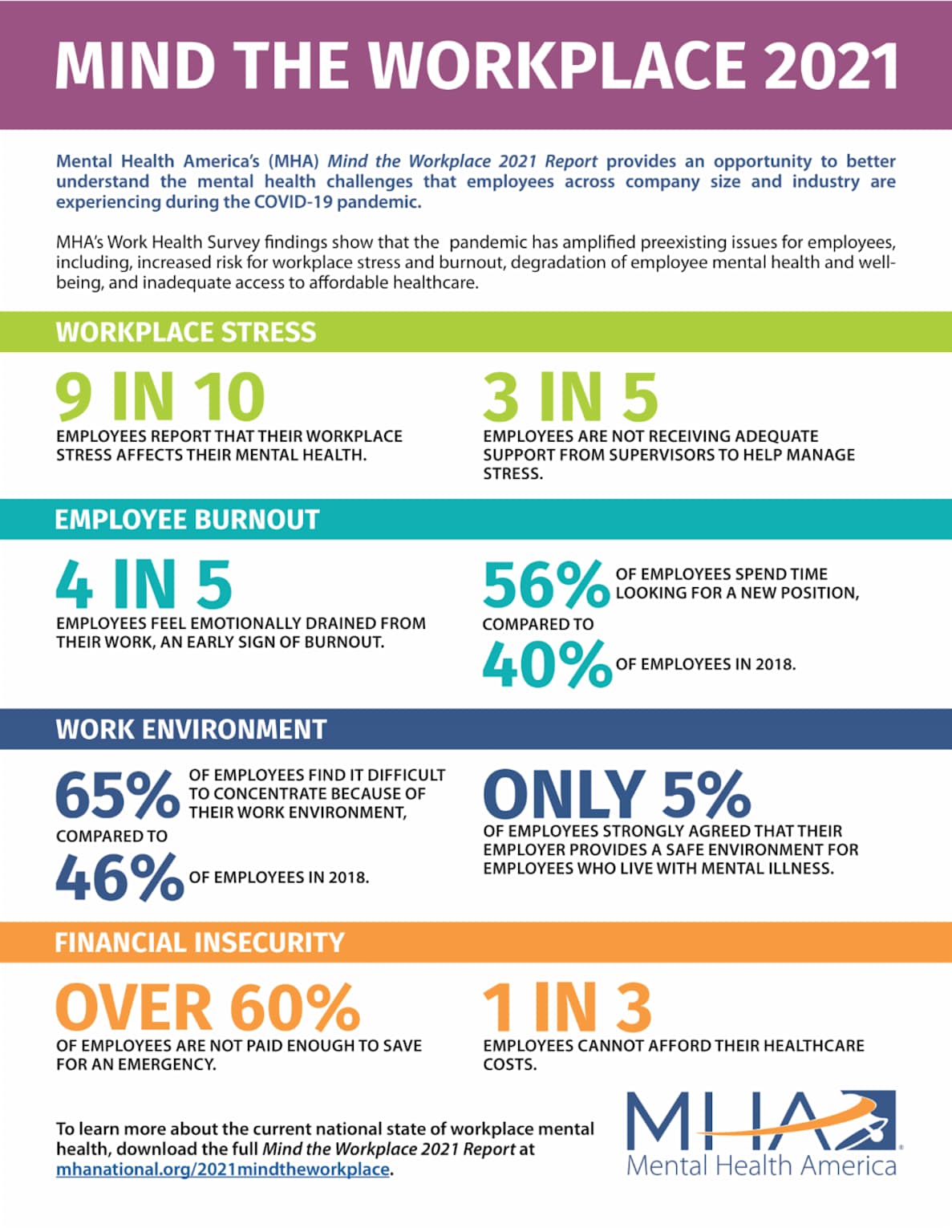
- 72% of job seekers report that the employment process negatively impacts their mental health
- 68% of job seekers report that ghosting and the job search process hurts their mental health
- Some experience depression lasting weeks or months after being ghosted post-interview
- Psychological impact particularly severe for underrepresented candidates (66% vs 59% for white candidates)
The Ghosting Epidemic
- 61% of job seekers report being ghosted after interviews (up 9% since early 2024)
- 76% of recruiters have been ghosted by candidates
- 44% of job seekers admit to ghosting employers
- 34% of Gen Z workers have engaged in "career catfishing"—accepting positions only to vanish on their first day
Economic Costs
- Average cost per hire: $4,700
- When candidates ghost after accepting: 22% never show up for their first day
- Time investment per ghosted application: 47 hours
- Estimated annual economic loss: $2.5 billion in lost productivity
Policy Solutions & Future Directions
Recognizing the severity of these issues, policymakers and industry leaders are proposing reforms to increase transparency and accountability in hiring.
🏛️ Proposed Legislation
Truth in Job Advertising & Accountability Act (TJAAA) would require employers to disclose hiring intent, provide salary bands, and remove filled positions within specified timeframes. Enforcement authority granted to Department of Labor and FTC.
🗳️ State-Level Action
New Jersey and California have introduced state-level legislation requiring that postings specify whether roles are actively open and mandating removal of filled positions within defined timeframes.
🔍 Platform Transparency
Job platforms beginning implementation of detection systems to identify positions likely posted without genuine hiring intent, with automated removal of outdated postings.
🤝 Employer Accountability
Industry standards emphasizing ethical recruitment practices, respectful candidate communication, and transparent hiring timelines to restore trust in labor markets.
Taking Action Against Employment Scams
This issue requires multifaceted approaches combining regulatory measures, platform accountability, cultural shifts, and structural investments in workforce development.
Key Takeaways
Nearly one in three employers have admitted to posting a "fake" job posting
Job seekers reporting negative mental health effects
Lost productivity from ghost jobs and ghosting
Government positions with highest ghost rate
Conclusion
The Ghost Job Economy represents one of the most significant yet underappreciated challenges confronting American workers and labor market functionality. The persistence of a 28-32% gap between job postings and actual hires since 2021 reveals a fundamental misalignment between what employers advertise and what they deliver.
While some unfilled positions reflect genuine labor shortages in specific sectors—a real problem requiring distinct solutions—other ghost jobs represent deliberate or negligent employer behavior that wastes millions of workers' time, damages mental health, and distorts the economic data upon which critical policy decisions depend.
The solution requires multifaceted approaches: regulatory measures ensuring transparency, platform accountability for outdated postings, cultural shifts prioritizing candidate respect, and structural investments in workforce development to address genuine labor shortages. Until job postings more accurately represent real opportunities, millions of Americans will continue investing time and emotional energy in chasing positions that exist only on paper.
In an economy increasingly defined by anxiety and diminished trust, restoring integrity to the job search process represents not merely a matter of courtesy, but a fundamental requirement for healthy labor market function.
